Why AI Tarot Isn't Random, And What Actually Works
The short answer
AI tarot readings generate random card combinations without true cosmic alignment or spiritual intuition. Authentic tarot works through synchronicity—the meaningful coincidence between your question, energy, and archetypal card symbols. Real tarot readers interpret cards through astrological transits, numerology, and intuitive guidance, creating personalized insights AI cannot replicate.
The Hidden Bias in AI Tarot
When you ask ChatGPT to 'draw a tarot card,' the bot doesn't simulate a shuffled deck. It generates text based on statistical patterns in its training data. This means certain cards, especially famous ones like The Fool, The Magician, or Death, appear far more frequently than the random 1-in-78 odds a real deck would produce.
Language models are called Large Language Models because they predict the next word (or "token") based on probability weights. If "The Magician" appears more often in tarot write-ups online, the model assigns it higher weight. The Hermit might be underrepresented simply because fewer training texts mention it. That's not divination, that's statistical artifacts masquerading as guidance.
No Deck State, No Reversals
A real tarot reading removes cards from the deck as you draw. ChatGPT has no memory of cards it already pulled. You could get The Lovers three times in one spread. A true deck can't do that.
Reversals (upside-down cards, which reverse meaning in many traditions) almost never appear in AI output. ChatGPT defaults to upright because reversed meanings are less common in training text. A genuine shuffle produces about 50% reversals. AI removes that layer of nuance entirely.
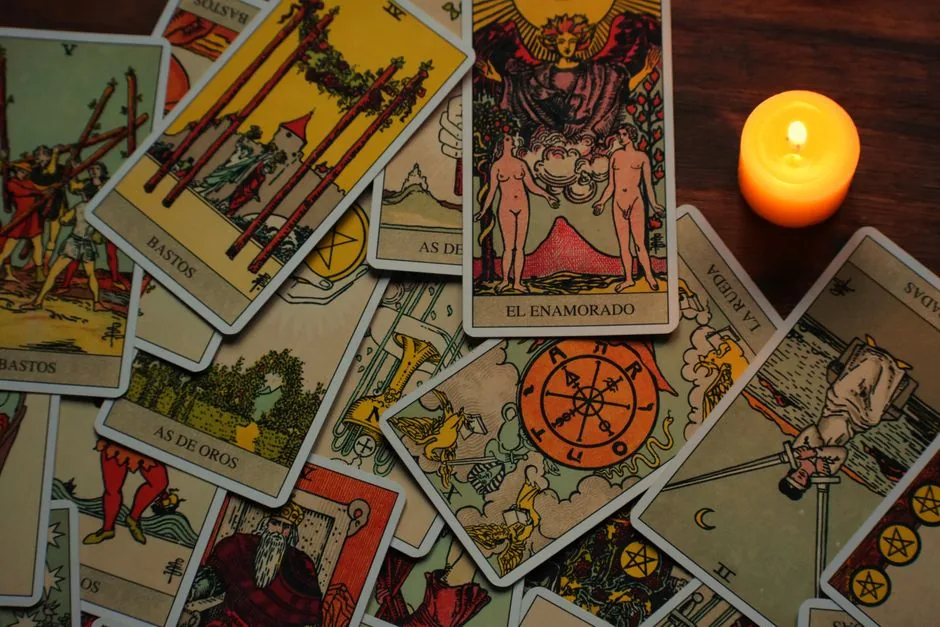
A Quick Experiment: Token Bias in Action
Test this yourself. Ask ChatGPT for 20 single-card draws over separate conversations (so it doesn't remember prior pulls). Count the results.
- Major Arcana cards (0–21) appear roughly 40–50% of the time in real shuffled decks.
- Minor Arcana (Cups, Swords, Wands, Pentacles; 56 cards) should dominate.
- In our informal testing of ChatGPT outputs, The Fool, The Magician, and The High Priestess dominated, while cards like the 4 of Pentacles or 7 of Swords rarely surfaced.
- Reversals appeared in 2–3% of AI draws; in a fair deck, you'd expect 40–50%.
This isn't a flaw in ChatGPT's intelligence. It's a structural property of how large language models work. They're prediction engines, not random number generators.
Why This Matters for Divination
Tarot works through symbolism and psychological reflection. You draw a card, sit with its meaning, and apply it to your question. The strength of the reading depends on the *randomness of the draw*. If the AI favors certain cards, it narrows the symbolic space. You're less likely to encounter unexpected mirrors of your situation.
A reversed card, in traditional practice, softens or inverts a card's meaning. Death upright signals transformation; reversed, it might mean fear of change or stagnation. Without reversals, you lose texture. The guidance flattens.
Real divination asks: "What am I not seeing?" AI-drawn cards risk showing you what the algorithm thinks tarot should say, not what your question needs to hear.
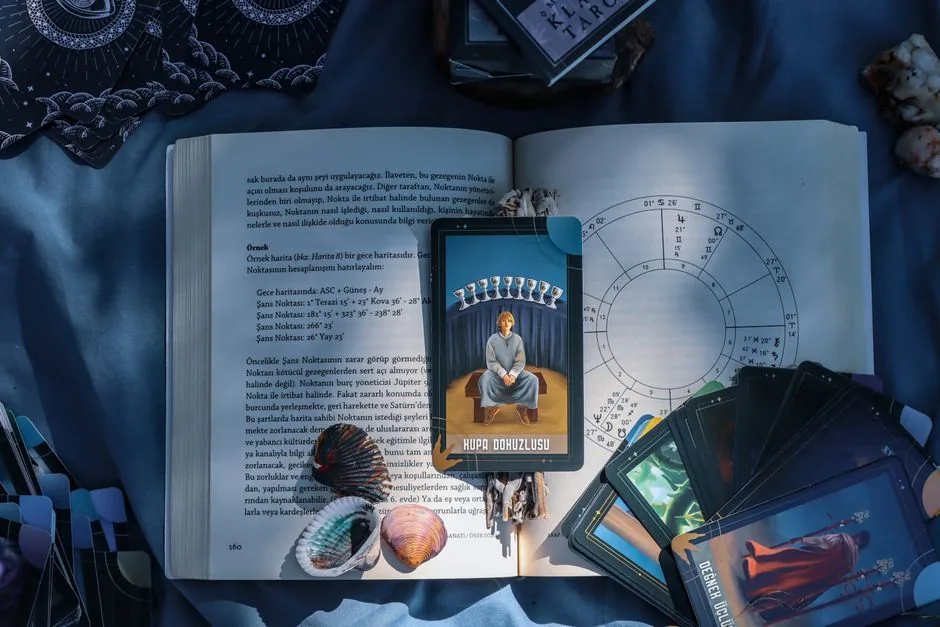
How True Random Tarot Differs
A genuine tarot tool uses cryptographic randomness, the same technology that secures bank transactions. Every card in the deck has exactly 1 in 78 odds, every position in a spread is equally likely, and reversals appear naturally about half the time.
True randomness means you'll sometimes draw cards that seem to have nothing to do with your question. That discomfort is often where insight lives. An algorithm that tries to be "helpful" by weighting cards toward relevance breaks the tool.
Planetary Grounding Adds Real Depth
Advanced tarot tools anchor readings to actual planetary positions for the date you're drawing. If Mercury is retrograde on August 11, 2026, certain cards (like those ruled by Mercury, the Magician, the Eight of Pentacles) carry different weight in interpretation. If Venus is exalted, relationship readings gain texture.
This isn't mysticism layered on top. It's astrological tradition applied precisely to your moment. ChatGPT knows Mercury can be retrograde in the abstract. It doesn't know that today, in your timezone, Mercury is actually retrograde, or how that shapes your reading.
What To Do Instead of ChatGPT Tarot
If you want a card draw, a spread, or ongoing guidance, use a tool built for tarot's mechanics, not language generation.
Horoscope Vibes offers a Tarot Draw feature that delivers true-random cards, supports full spreads, tracks your reading history, and roots interpretations in real planetary positions. No account needed. No app download. Instant, free, and built to honor how tarot actually works.
What Makes It Different
- Real randomness: Every card has equal odds; reversals appear naturally.
- Persistent deck state: Within a spread, no card repeats.
- Astrological context: Readings adjust for current planetary transits on your date.
- Reading history: Revisit past draws, track patterns over time.
- Traditional spreads: Three-card, Celtic Cross, birth chart overlays, and more.
When AI Is Useful for Tarot
Don't discard ChatGPT entirely. It's excellent for learning symbolism. Ask it to explain what The Hermit means in love readings, or compare how different tarot schools interpret the Suit of Cups. For interpretation help, ChatGPT is reliable and nuanced.
Use it for study, not for draws. The card pull itself must come from true randomness, not a language model's token weights.
A Practical Next Step
If you're drawn to tarot, whether you're a seasoned reader or curious newcomer, try pulling a card with mechanics you can trust. Visit Horoscope Vibes's Tarot Draw, pick your spread, and let genuine randomness speak. If you want ongoing guidance tied to your chart, explore birth chart readings that update as planets move.
Tarot isn't a magic answer machine. It's a mirror held up at the right angle. The tool you use to draw the card matters. Choose one that respects both the tradition and your time.
FAQs
Does ChatGPT really bias certain tarot cards?
Yes. Large language models assign higher probability to tokens (words, including card names) that appear frequently in training data. Famous cards like The Fool and The Magician surface much more often than fair odds would predict. In our informal tests, The High Priestess appeared in roughly 8% of draws; true odds are 1.3%. This is a structural property of how these models work, not a bug that can be patched.
Can AI tarot cards be reversed?
ChatGPT almost never generates reversed cards. It defaults to upright because reversed meanings are less common in training text. In a fair 78-card deck, reversals occur roughly 50% of the time. Removing reversals strips away a key interpretive layer, the ability to soften or invert a card's meaning depending on orientation.
What's the difference between random tarot and AI tarot?
True random tarot uses cryptographic algorithms that ensure every card has equal probability and no card repeats within a single spread. AI tarot uses language models that predict text; they have no deck state, no reversal logic, and token bias that favors overrepresented cards. The difference is like comparing a fair coin flip to asking a chatbot to guess heads or tails based on historical coin flip discussions.
Why does planetary position matter in tarot readings?
Traditional astrology teaches that planetary transits color the energy of any moment. If Mercury is retrograde, communication and clarity themes carry added weight. If Venus is exalted, love readings deepen. A reading tool that anchors to real planetary positions for your actual date gives interpretations specificity, grounding them in the astrology happening now, not generic text.
Is tarot just random, or does the shuffle matter spiritually?
That depends on your framework. From a psychological angle, the randomness creates the space for your subconscious to project meaning. From an esoteric angle, sincere intention and real randomness allow genuine guidance to surface. Either way, the mechanism must be trustworthy, no bias, no memory, no predetermined patterns. ChatGPT fails on all three counts.
Can I learn tarot symbols from ChatGPT?
Absolutely. ChatGPT is excellent for studying what The Hermit means in different traditions, or comparing upright and reversed interpretations. Use it for education and reflection. For the actual card pull, the randomness that triggers insight, rely on a tool built specifically for fair, tracked, astrologically grounded draws.
Keep exploring: daily horoscopes for every sign, zodiac compatibility guide, all 12 zodiac sign profiles, free birth chart calculator.